As economic uncertainty persists, it’s increasingly important for convenience retailers to build strong messages about what they offer inside their stores.
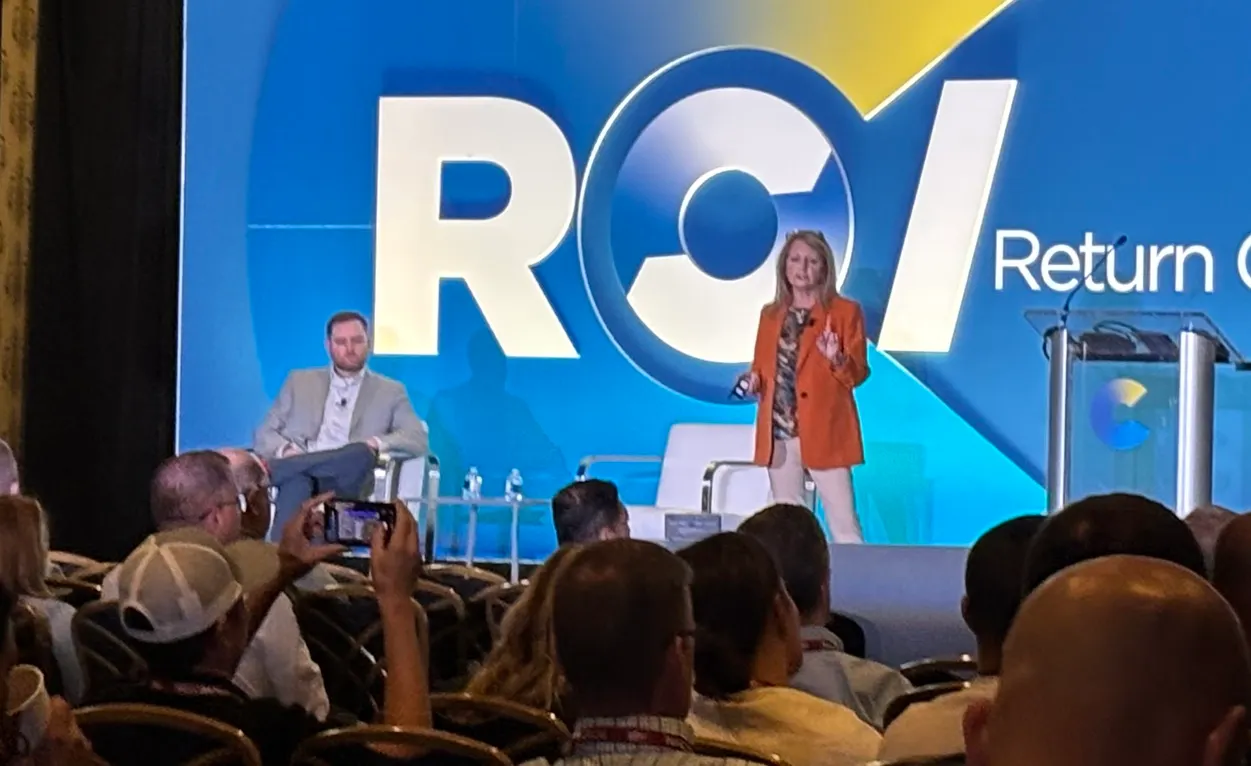
During a session at the 2026 NACS Show, David Jackson, director of marketing and loyalty for Kwik Trip, and Michelle Weckstein, director of food and beverage brands for Southwest Georgia Oil, doing business as SunStop Stores, talked about what it takes to build a marketing engine that successfully sells the food program to shoppers.
The most important step is crafting a quality program. Jackson said retailers all too often look to marketing to paper over the flaws in a food program.
“I don't think that's quite the right way to approach marketing of a food service program,” he said.
Weckstein said that setting clear expectations for customers on how food should appear and how long items can stay in the warmer is important.
“My definition of fresh and [that of] the employees that work for us at our front line may not be the same,” she said.
Making and keeping a brand promise
Marketing needs to effectively communicate a chain’s brand promise to its consumers, said Weckstein.
She pointed out that SunStop positions its stores along the Gulf Coast as places to stop for a beach trip, while locations in the Tallahassee, Florida area are closely connected to Florida State University.
“We find out exactly what is important for each individual community, and that is what we target,” Weckstein said.
Kwik Trip’s No Ordinary Chicken campaign, meanwhile, took its Midwestern market into account by pairing milk with fried chicken. The campaign also included giveaways and a chicken mascot named Red.
Building the right LTOs can also build excitement and encourage people to visit the stores, said Weckstein. But these promotions need to be relevant and enticing to shoppers. She said SunStop tried offering a General Tso’s chicken LTO that didn’t perform well because customers weren’t familiar with the dish. The retailer changed the name to sweet and spicy chicken, which more clearly defined the dish’s flavors, and the offer became one of the top three LTOs SunStop has run in the past five years.
Keeping up with trends
As the buying power of younger generations grows, their desire to be healthier and more conscientious can give stores another marketing angle.
For example, Weigel’s officials told the story in multiple NACS sessions of how a few consumers in a taste test declined to try the company’s chicken strips because they didn’t know how the chicken was raised and processed.
That made it clear to Weigels that they needed to share the sourcing of the chicken, a factor that’s increasingly important with younger shoppers.
“We sourced a humanely raised and sourced chicken product,” said Doug Yawberry, president and CEO of Weigel's. “And when we explain that, they eat the chicken.”
“If you haven't mixed this into your marketing program, start looking at influencers because it's some of the best dollars that we spend within our media spend.”

David Jackson
Director of marketing and loyalty for Kwik Trip
Jackson also highlighted the value of online influencers. Kwik Trip made use of influencers recently for its No Ordinary Chicken campaign.
He shared a comedy skit by TJ Therrien showing a series of siblings squabbling over a food order at the convenience store and a video of zach.eatss trying several food items while sitting in his car
“If you haven't mixed this into your marketing program, start looking at influencers because it's some of the best dollars that we spend within our media spend,” he said. “It's a paid influencer, but it doesn't come off as an ad to the user that is actually seeing this, and these videos get millions of views.”
Follow the metrics
After running a campaign, c-stores need to take a hard look at the results.
“There are folks in our industry that just kind of wing it,” said Weckstein. “They listen to what the vendor tells them, and they think it's on trend, and they think it's new, and they're not measuring that.”
SunStop builds a spreadsheet of the KPIs that are important for each campaign. This helps establish common metrics and fosters a sense of accountability, Weckstein said.
“Otherwise, you're just spinning the wheels, and you're really not bringing the dollars to the bottom line, which is what your company wants,” she said.
The KPIs don’t have to be the same for every program either. For instance, when Kwik Trip partnered with PepsiCo to make Mountain Dew Glazers donuts, the point wasn’t to get a big sales boost.
“The goals there were really to drive people to our stores and drive people to the category, and that's exactly what that did,” Jackson said.
Jackson said Kwik Trip tracks metrics in four key areas. This includes the reach of the marketing campaign, customer interactions, unit sales lift and long-term impact.
Tracking results like this can help retailers move beyond vibes and tell if marketing is actually having a measurable impact on the business, he said, adding that the company then can use its loyalty program to reinforce the behavior it wants to see.