However the convenience retail industry expected 2026 to unfold, global uncertainty has continued to disrupt some of those plans. The war with Iran has caused intermittent fuel supply disruptions and raised the costs of goods, while tariffs and inflation continue to put pressure on both customers’ and businesses’ wallets.
As retailers weather these challenging current conditions, we expect several topics to remain at the forefront of the industry. Here are five key questions we’re keeping an eye on through the rest of this year.
What impact will Mauricio Leyva have on 7-Eleven by the end of 2026?
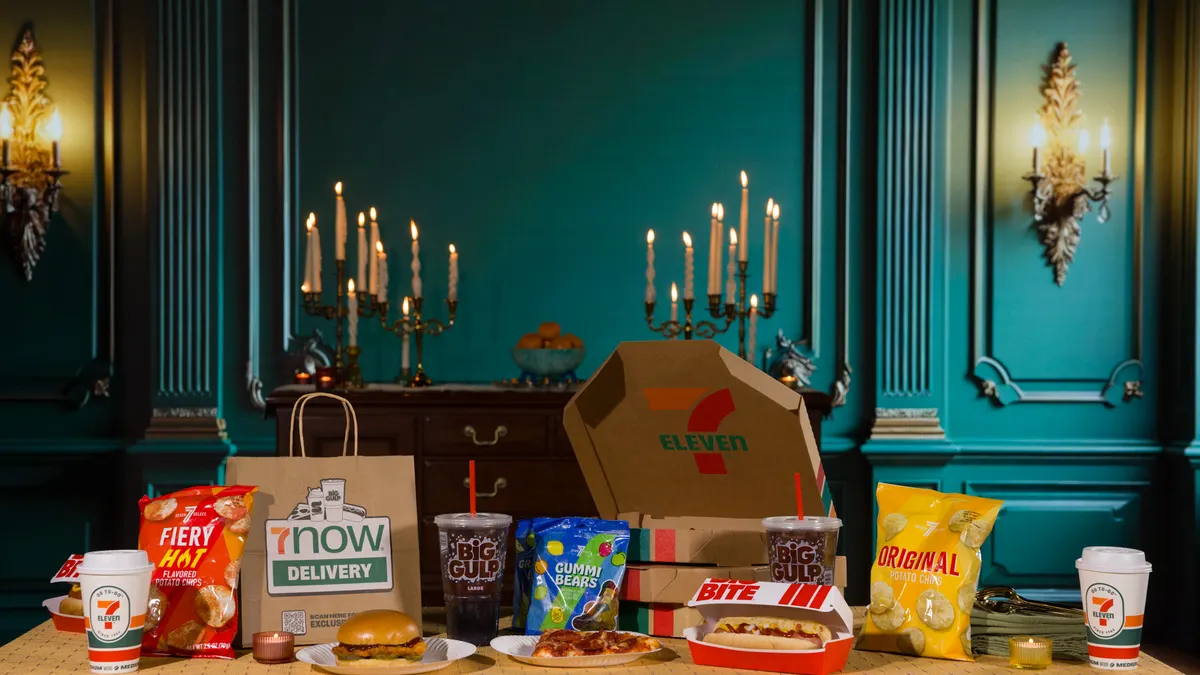
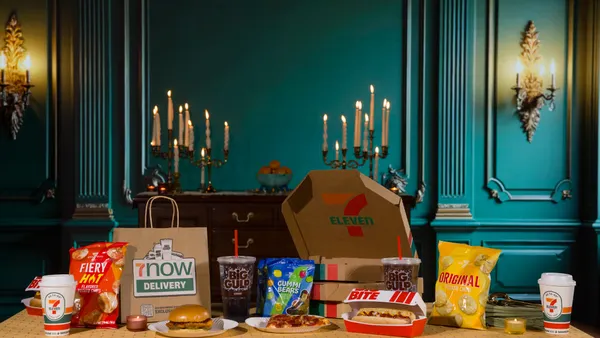
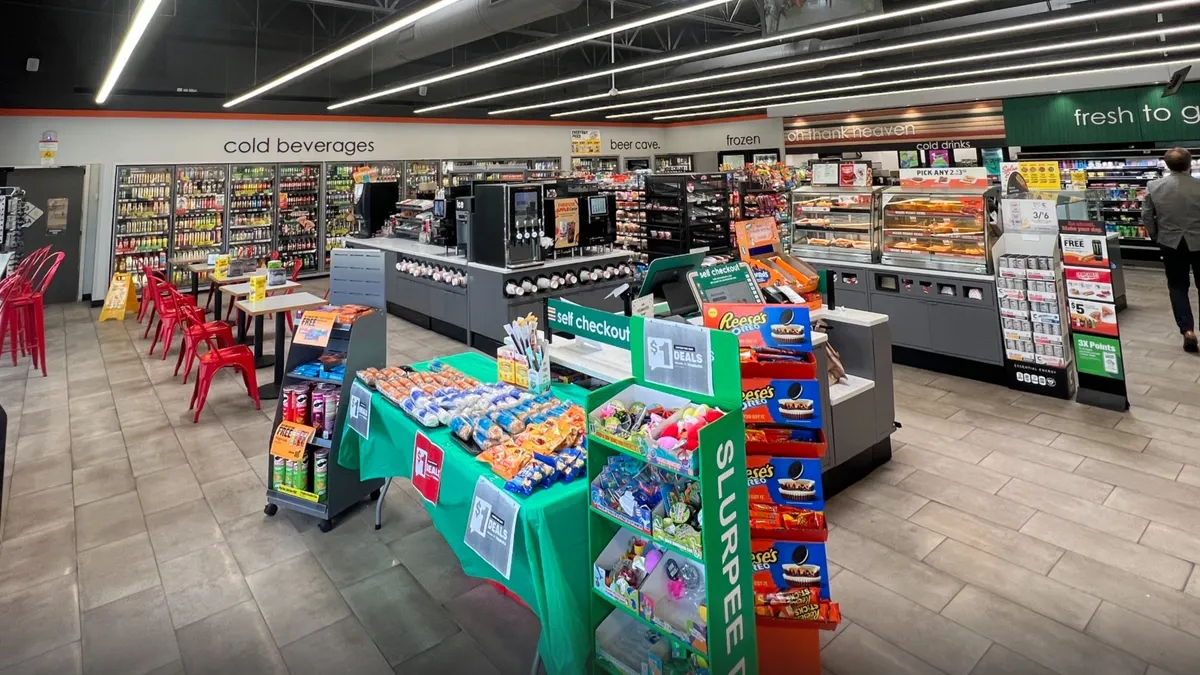
7-Eleven’s new CEO has a challenging agenda through the rest of 2026. His priorities include preparing the retailer for its planned North American IPO in 2027, accelerating 7-Eleven’s remodels- and franchise-focused North Star plan and building momentum around the company’s goal to become a food-focused destination.
It’s a lot to ask of an executive who not only assumed the role in August, but is also stepping into convenience retail for the first time. While Leyva likely won’t hit every growth target by the end of this year, signs of his influence could emerge through store-level execution and any positive — or negative — changes to the customer experience.
In other words, Leyva’s impact by the end of 2026 may be more about whether he can create momentum and credibility around 7-Eleven’s ongoing transformation than meeting all of the company’s lofty goals at once.
How far can super regionals go?
The accelerating expansion of super regional convenience store chains has been one of the biggest storylines of 2026. As we shift into fall, the question isn’t whether these retailers will slow down, but how far they will stretch beyond their traditional footprints.
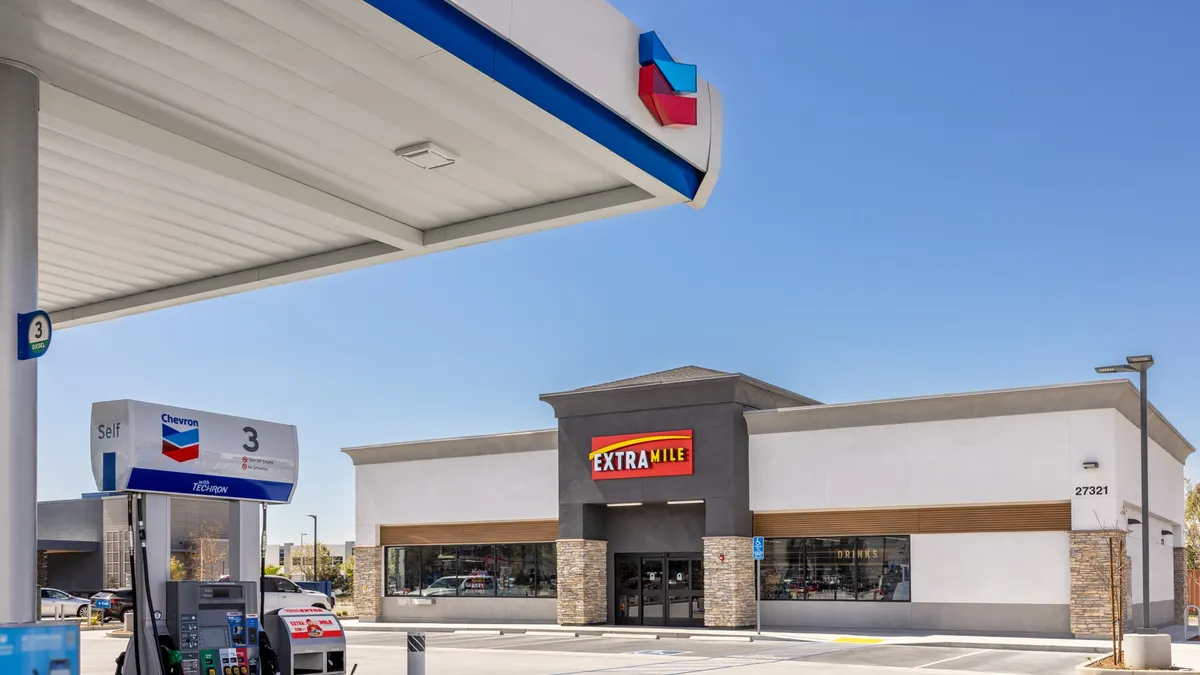
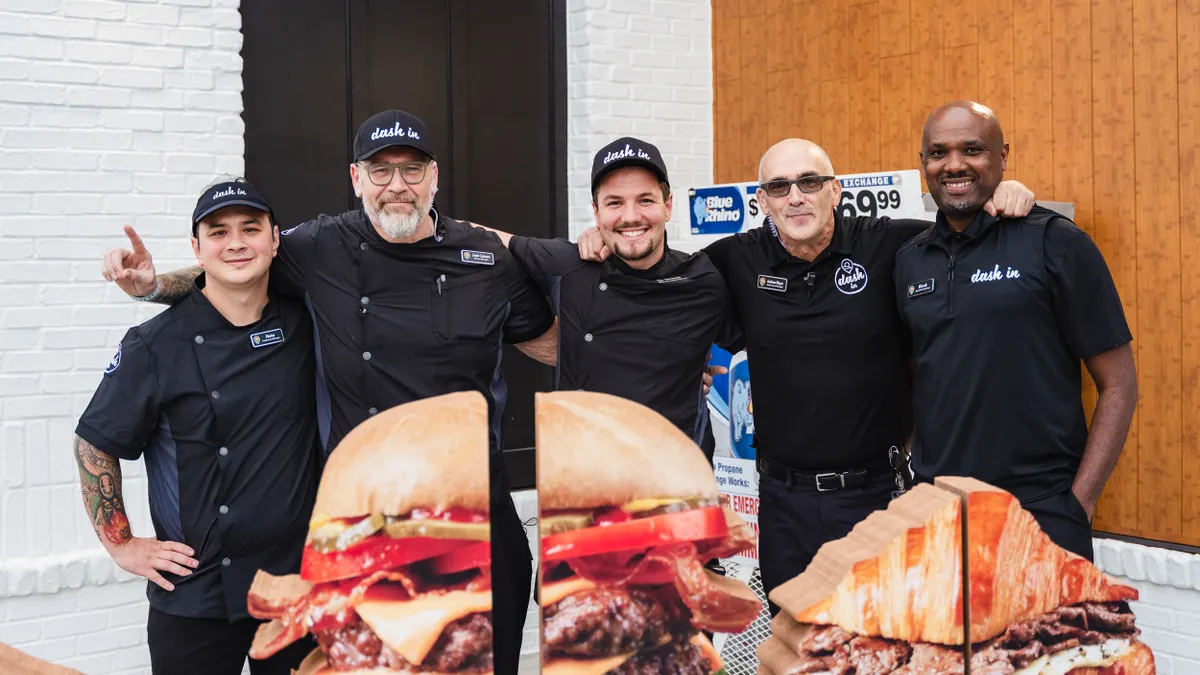
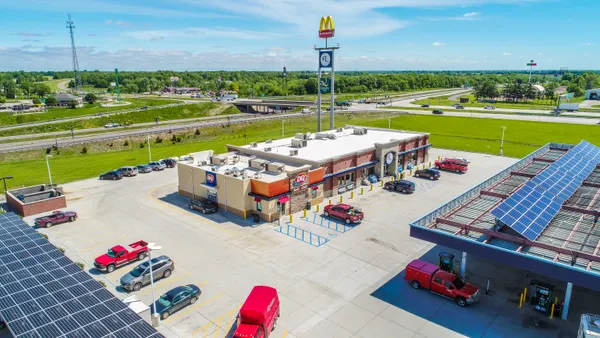
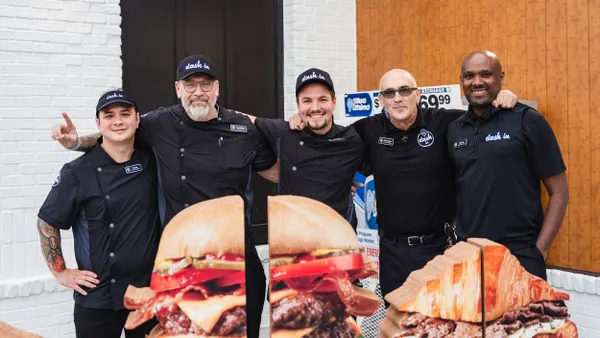
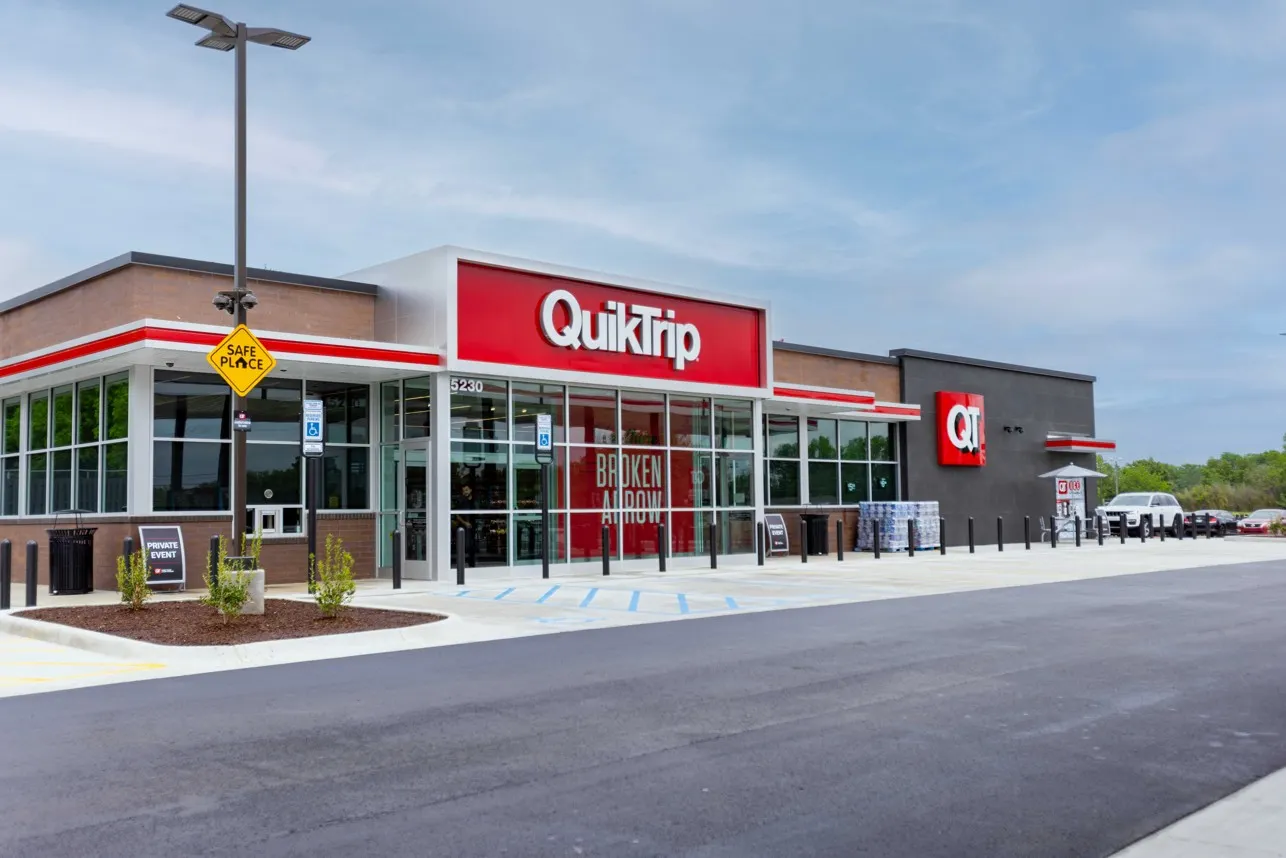
Iowa-based Casey’s, for example, continues to expand in Texas, where its CEO recently teased the potential for more than 1,000 stores. Oklahoma-based QuikTrip opened its first Utah c-store and is preparing to enter Michigan. Pennsylvania rivals Wawa and Sheetz are establishing footholds in the Midwest. Add chains such as ExtraMile Convenience Stores and Dash In, and the footprints of super regionals are spreading like wildfire.
The trend comes as smaller convenience operators face mounting economic pressure, with chains of fewer than 100 stores regularly selling to larger competitors. That promises to create even more opportunities for super regionals to reach new markets, whether through acquisitions or NTIs.
Is AI actually changing how c-stores operate?
AI is becoming increasingly prevalent in new c-store technology initiatives. It is being implemented into retailers’ checkout experience, inventory management and forecourt technology, among other areas.
The cutting-edge technology promises to streamline operations, improve decision making and altogether make organizations more nimble. But as c-store retailers ramp up their integration of these systems, the industry will soon see which of those promises translate into stronger bottom lines and which ones proved too ambitious.
The first half of the year also brought a cautionary tale with AI after several retailers were sued over alleged collusion and price fixing through the use of an AI-powered fuel pricing algorithm.
The Federal Trade Commission has also turned its attention toward companies using algorithmically driven personalized pricing.
As retailers turn over more decisions to technology, more such issues may arise.
How will industry leaders continue to push their food programs forward?
As foodservice becomes increasingly central to the c-store experience, how retailers evolve their programs remains a constant question. In this column last year, we noted how the growing number of operators hiring experienced foodservice leaders is a sign of their commitment to the category.
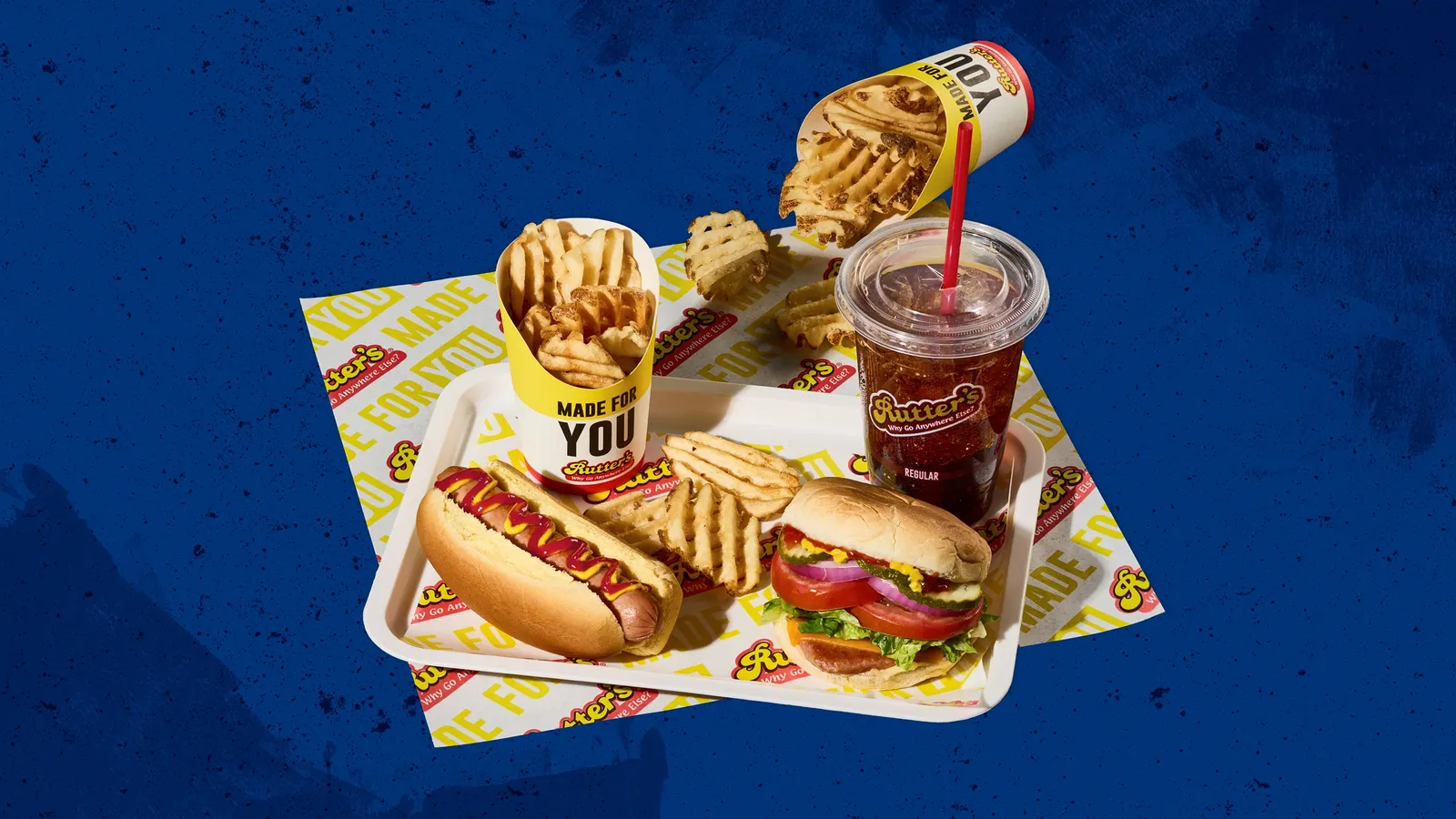
This year, retailers have turned to forging partnerships with popular QSR brands, including both in-store concepts and franchise agreements. RaceTrac tapped into Potbelly, the sandwich QSR it bought last year,, with an upcoming c-store near Atlanta set to become the first location to feature the sandwich chain’s menu.
But QSR partnerships aren’t the whole story. Some retailers are expanding made-to-order programs, while others are turning to technology to make fresh food more accessible in their stores.
As 2026 winds down, we’ll be watching to see how far c-store operators are willing to push their food programs to compete for more meal occasions.
Will customers regain confidence?
After inflation soared in 2022 to highs near 10%, many Americans grew increasingly cost-conscious.
While inflation has pulled back into the 3% to 4% range this year, consumer confidence remains lower than it was during 2022. Convenience retailers with gas are seeing additional pressure from the Iran War, as fuel prices have increased at least 18% year over year for the past five months, according to data from the Bureau of Labor Statistics.
As a result, retailers are not seeing consumers’ purse strings loosen. Arie Kotler, chairman, president and CEO of Arko, said during the company’s second-quarter earnings call that “consumer sentiment reached historic lows, while prolonged higher fuel prices placed additional pressure on household budgets and influenced purchasing behavior.”
Even if the war were to end tomorrow, it might take a while for prices to subside. But any relief on the cost of necessities could boost consumer activity. In the meantime, retailers continue to do what they can to encourage more visits, including improving their loyalty programs and expanding food options.